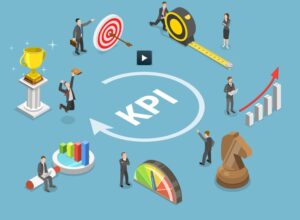
What is a KPI in SEO?
SEO KPIs (Key Performance Indicators) are measurable metrics that help assess how well your website is performing in organic search. These indicators guide your SEO efforts, help make data-driven decisions, and highlight areas for improvement. With Google now focusing more on user intent, content quality, and AI-generated summaries, monitoring modern KPIs is more important than ever.
Let’s look at the 10 most essential SEO KPIs in 2025, including some that are emerging post-AI revolution.
1. Organic Traffic (Still #1, But Context Matters)
Organic traffic remains the backbone of SEO measurement. This KPI tells you how many users land on your site via unpaid search results.
Pro Tip for 2025: Segment this traffic by device (mobile vs. desktop), content type (AI summaries vs. full content), and search intent. Use tools like GA4 and Search Console’s “Search Appearance” filter to track new SERP features like “AI Overviews” and featured snippets.
2. Keyword Rankings (Now With Search Intent Clarity)
While rankings still matter, blindly chasing high-volume keywords is outdated. Track keyword rankings based on intent categories—informational, navigational, transactional—and cluster performance.
Trending Technique: Monitor how your pages perform across keyword clusters, not just individual terms. Also, track SERP volatility with tools like Semrush Sensor or Mozcast to gauge algorithmic impact.
3. Click-Through Rate (CTR) in AI-Modified SERPs
In the age of AI-powered SERPs, CTR is a game-changer. Your position in the SERP isn’t enough anymore—what you write in your title tag and meta description (or what Google rewrites) plays a huge role.
Pro Tip: Use A/B testing on meta titles and descriptions. Tools like RankMath or Yoast help evaluate snippet quality. Analyze branded vs non-branded CTRs separately.
4. Bounce Rate & Dwell Time (Together, They Matter More)
Bounce rate alone can be misleading. A short visit might mean the visitor got what they wanted. Instead, combine bounce rate with dwell time—how long a user stays before bouncing.
2025 Insight: With Google's Core Web Vitals and Helpful Content Update, if users don’t spend time on your site, your rankings will eventually drop. Combine both metrics to determine user satisfaction.
5. Conversion Rate (Goal-Based SEO Is the Future)
Whether your goal is leads, sign-ups, downloads, or purchases—your SEO should lead to actions, not just traffic. Track conversion rate across device types, traffic sources, and landing pages.
Trending Tip: Attribute conversions to topical authority. Which keyword clusters or content types bring the highest ROI? Measure conversion rate alongside content depth and authoritativeness.
6. Time on Site (With AI-Fueled Personalization)
Time on site remains a critical engagement metric. But now, you can use AI tools to personalize content and increase this KPI.
Upgrade for 2025: Use on-site chatbots or dynamic content blocks that adapt to user behavior. The longer a user stays, the more you understand what keeps them hooked.
7. Pages per Session (Content Depth Meets UX)
This KPI tells you how engaging and interlinked your content is. A higher “pages per session” usually signals that your site architecture, CTAs, and internal links are working well.
Best Practice: Use content hubs or topical clusters to guide users deeper. Related post widgets, video embeds, and sticky TOC (Table of Contents) boost navigation and engagement.
8. Backlinks & Referring Domains (Quality Over Quantity)
Backlinks still heavily influence SEO success. But it’s not about how many links you have—it’s about where they come from.
Modern Tactic: Focus on getting links from niche-relevant, trustworthy sources. A single link from a high-authority blog can outweigh 100 generic directory links. Use Ahrefs or Majestic to monitor link quality, velocity, and anchor text diversity.
9. Content Performance (AI + Human-Centric Metrics)
Track how each piece of content performs beyond just views. Evaluate metrics like:
Trending Move: Add video, audio, or interactive tools to key pages. Rich media = more time on site + higher user satisfaction.
10. Mobile Optimization & Core Web Vitals
Google is mobile-first, and users expect lightning-fast experiences. Use PageSpeed Insights and Lighthouse to monitor Core Web Vitals, especially:
Largest Contentful Paint (LCP)
Interaction to Next Paint (INP)
Cumulative Layout Shift (CLS)
2025 Upgrade: Optimize for low-end mobile devices and weak networks, especially for emerging markets. And don’t forget dark mode preferences.
Bonus KPI: AI Interaction Metrics (Emerging Trend)
As Google rolls out AI Overviews and more interactive search experiences, expect new metrics to emerge—like clicks from AI summaries, user engagement with AI content, and voice search behavior.
What to Do Now: Start tracking how your content is featured in AI snapshots. Use tools like AlsoAsked, Frase, and Search Console's “search appearance” to get ahead.
Final Thoughts: Track What Moves the Needle
In 2025, SEO is no longer just about traffic and rankings—it’s about experience, trust, and relevance. Tracking the right KPIs ensures your strategy is aligned with what search engines (and users) value most.
Keep an eye on emerging metrics from AI-generated SERPs.
Focus on engagement and conversion, not just visits.
Let data drive your content and UX decisions.
SEO is a long game—but with the right KPIs, you’ll always be one step ahead.